There is a lot of bread in the standard Armenian diet, and I mean both the amount as well as the variety. We have lavash, of course, first and foremost. It serves as a magical vehicle for all other food: you can make wrap sandwiches with it, use it to eat soup, it dries and keeps rather well. We have the unleavened matnakash, which is our standard daily bread (literally what I visualize if I ever say the Lord’s prayer). We also very commonly eat Georgian puri that’s baked in a tandoor oven and Russian sourdough rye (there is also a great number of types of bread that I simply don’t know the names of). I feel like Armenians would probably be awful at the Atkins diet.
Bread is so ubiquitous for us that instead of asking someone whether they would like to eat, you’d ask whether they would like to eat bread. And this applies to breakfast, lunch, and dinner. There is always bread on the table at all hours of the day. At my parents’ house, there was also cheese, greens, like parsley and dill, and onions and garlic. I remember my parents always telling me to eat my meals with bread to make sure I’d filled up (no, I had never heard about stopping eating before feeling full in order to avoid overeating until I got to the States – yes, this is truly a first world problem). And I had literally never seen food being thrown away until coming to the US.
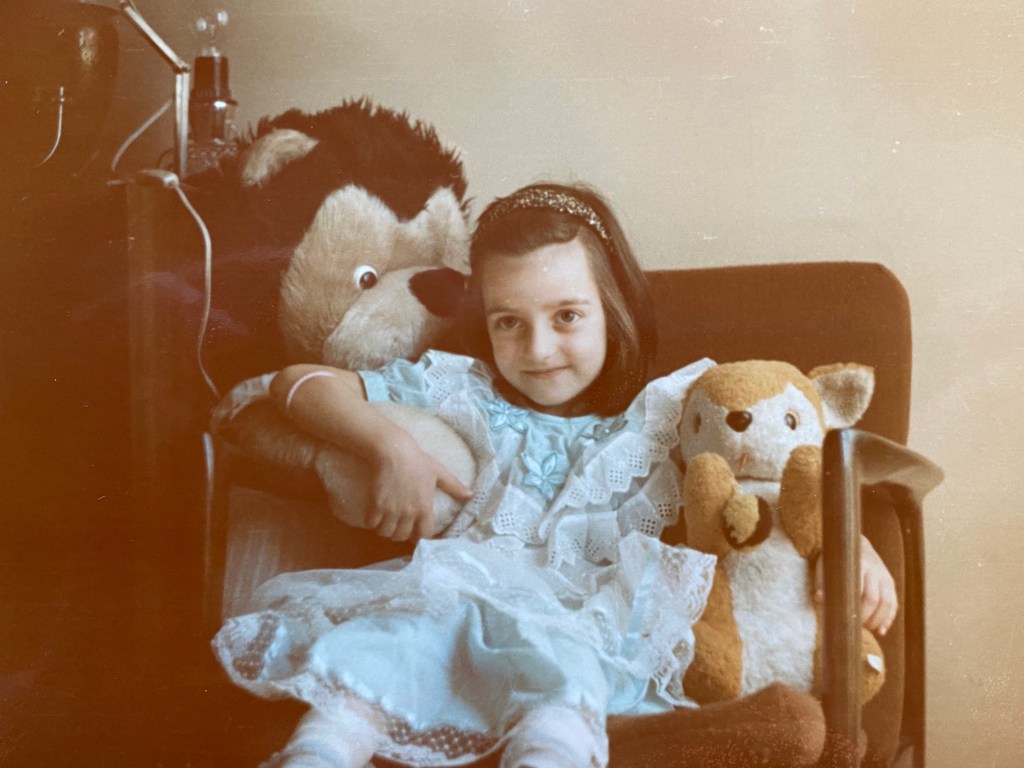
After the Soviet Union broke up, food (among many other things) was rationed out. Cheese was scarce. There was no meat whatsoever (I think we’d get it once a month and I’d invite my best friend to dinner at my house – it was a big deal). We got an allotment of a kilo of butter per family once a month. But every person was entitled to half a kilo, or about one pound, of bread per day. As I write this, it seems like so much bread to be eating every day – who the heck eats a pound of bread each day? But I think the important piece here is that often there was nothing else to eat other than this bread (and I don’t mean this figuratively). Some days you might have cheese or a can of Spam. Some days you are lucky and you come by salo, salted unrendered pork fat – incredibly yucko but highly caloric and helpful when you’re trying to make sure your family doesn’t starve. And some days the bread is all there is. But at least you could always count on bread.
It wasn’t enough to pay for this “daily bread:” you had to have your monthly bread voucher. It was kind of like a stamp card with 30 or 31 stamps depending on the month. Each family got one at the beginning of the month, marked with their name and address, and you were sh*t out of luck if you lost yours before the month was out. The stamp card was also only good for a specific bread store in your neighborhood – you couldn’t use it anywhere else (I’m not calling it a bakery because the bread wasn’t actually baked there but rather baked in a central location in the city and distributed to different neighborhood bread stores). Every now and then you’d see a devastating scene at the bread store, where someone in the family, more often than not one of the children, had managed to lose their voucher – mom was devastated, dad was angry, everyone was yelling, someone was crying. And more often than not you’d see folks volunteering to share their daily allotment with complete strangers (there was an implicit understanding that this could just as easily have been you).
Sometimes bread came with a side of adventure. Like the time when the centralized granaries had had a rodent problem, had put out rat poison everywhere, but then had run out of grain, inadvertently scraped all there was (rat poison and everything), took it to be milled, and sent it to the bakery – that was the week that the bread had a really sketchy smell to it. Occasionally, you’d find a nail or a bolt in a slice of bread. It got to be kind of a game: if you found a nail in your piece of bread and made a wish, it would come true (my mom had told me that she’d used do something similar, albeit intentionally – she’d bake a coin into a cake, and whoever found the coin, their wish would come true – I felt like I was just adapting her game a little bit).
So when my dad got a grant to come to Boston for a conference (and visit me while he was at it) during my first semester of college, both he and I shared a healthy sense of skepticism about bread – it was a “trust but verify” kind of approach. We’d gone out to dinner on his first night in town but quickly realized that the grant wasn’t going to go quite that far, and on the second night we decided to make sandwiches (as my parents had always told me – “հացով կեր, որ կշտանաս”). This was a few years before Google Maps, and I didn’t know of any grocery stores nearby, so when we saw a 7-Eleven, we figured we’d be able to find everything we needed there (dear America, you and I should have a chat about food deserts). Sure enough, there were cold cuts: ham and cheese, and soda, and Cheetos, for which I’d already managed to develop tender feelings. We also found bread: it was pre-sliced and packaged in a plastic bag. It was WonderBread (and if you’re reading this and aren’t in/from the US, Wonder Bread has this very soft, light, and spongy texture, and zero structural integrity).
While we couldn’t check the bread for nails back home, we could and did check if for freshness: if you’re allotted your pound of daily bread, you definitely don’t want yesterday’s leftovers. The way to test bread for freshness was to press the loaf between your hands: if the loaf was fresh, it would rebound, if it was stale, it’d press down and stay that way. Yes, you’d technically be ruining the bread, but people felt that day old bread shouldn’t have been sold anyway, so there were no hard feelings.
So here we were, my dad and I, at a 7-Eleven in Boston. My hands were full of packets of cold cuts and cans of soda. And before I had a chance to say or do anything, my dad was checking the WonderBread for freshness: he took a package of bread from the shelf and Hulk smashed it down. I don’t think it’s surprising in any way that the WonderBread stayed in its new smooshed pancake shape. But while my dad was disappointed, he was also quite undeterred: he put down the WonderBread pancake and checked the second loaf for freshness. Then the third. Needless to say WonderBread never lived up to my dad’s exacting standards of freshness. But we still made our sandwiches anyway.
 Packing List for Immigration