Pack… A Rabies Shot

The first time I saw Bambi I bawled my eyes out. This, I think, is universal, regardless of where you were born or where you grew up. Bambi’s mom dying was one of the early traumas in my childhood. But Bambi also has another iconic scene that has stayed with me for the last 30 years: the one where two skunks with sultry eyelashes fall in love (remember when the girl skunk is making bedroom eyes at Flower from inside of a bush?). My conclusions were that skunks are fluffy and adorable, capable of blushing and falling in love. 

Growing up in Yerevan, a city of one million residents, the only kinds of wildlife I was familiar with were stray cats and dogs, and maybe pigeons. I had a love thing with stray dogs – I was the stray dog whisperer. I’d feed them my school lunches, brush the dirt and mats out of their coats, remove ticks. Some mornings I’d have a battalion of 3-4 strays walking me to school. I really wanted to have a dog, but my parents were unrelenting. 
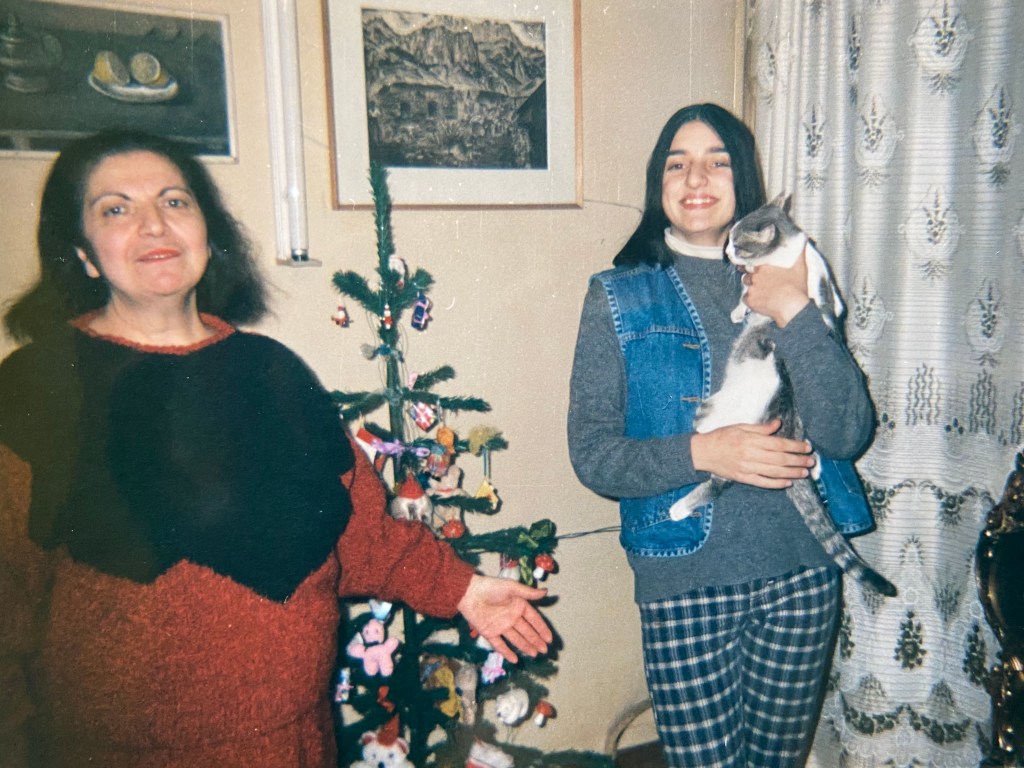
New Years 1998 (I think): Mom, me, and cat formerly known as Sergey.

I did however end up with a cat. I had to pass this dumpster on my way to school, and one day I saw a box of tiny kittens meowing up a storm in it – someone’s cat had kittens, and they decided to throw away the entire litter. The kittens couldn’t have been more than a day or two old. They were tiny loud balls of fur with their eyes not quite open yet. On my way home from school only one fur ball was left – the neighborhood kids said that stray dogs had gotten to the rest. I figured the last kitten had managed to survive for a reason, so I took him home. 

Continue reading “Pack… A Rabies Shot”
Pack… Bread

There is a lot of bread in the standard Armenian diet, and I mean both the amount as well as the variety. We have lavash, of course, first and foremost. It serves as a magical vehicle for all other food: you can make wrap sandwiches with it, use it to eat soup, it dries and keeps rather well. We have the unleavened matnakash, which is our standard daily bread (literally what I visualize if I ever say the Lord’s prayer). We also very commonly eat Georgian puri that’s baked in a tandoor oven and Russian sourdough rye (there is also a great number of types of bread that I simply don’t know the names of). I feel like Armenians would probably be awful at the Atkins diet.

Bread is so ubiquitous for us that instead of asking someone whether they would like to eat, you’d ask whether they would like to eat bread. And this applies to breakfast, lunch, and dinner. There is always bread on the table at all hours of the day. At my parents’ house, there was also cheese, greens, like parsley and dill, and onions and garlic. I remember my parents always telling me to eat my meals with bread to make sure I’d filled up (no, I had never heard about stopping eating before feeling full in order to avoid overeating until I got to the States – yes, this is truly a first world problem). And I had literally never seen food being thrown away until coming to the US.

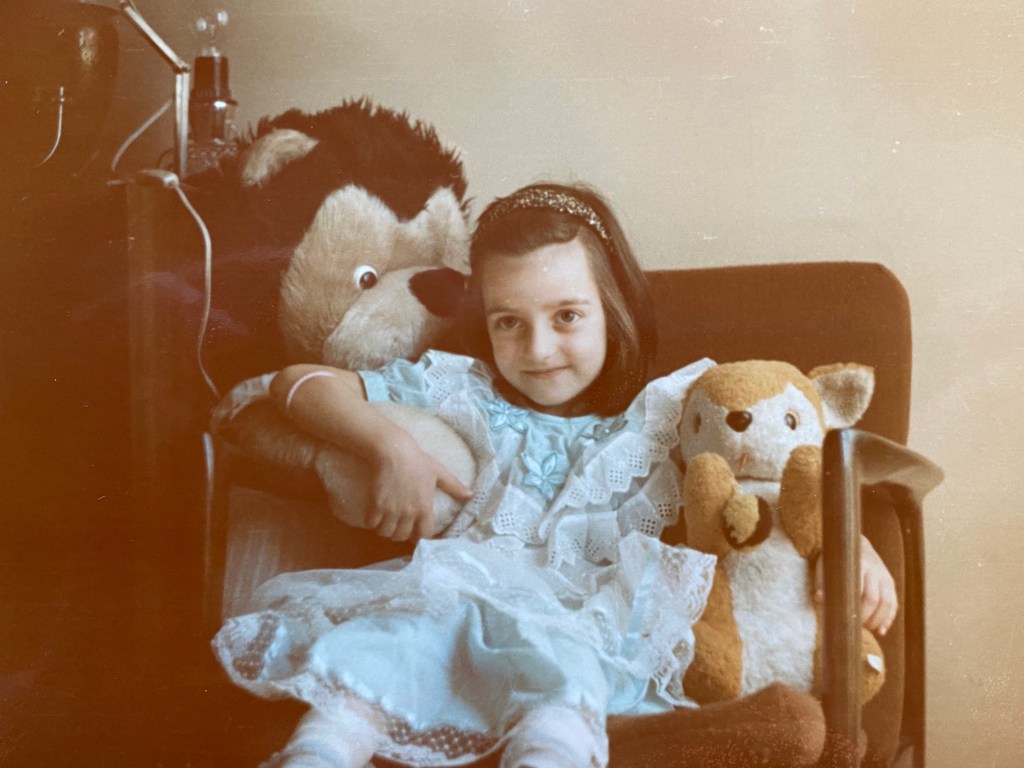
In case you needed a visual of me as a princess.

After the Soviet Union broke up, food (among many other things) was rationed out. Cheese was scarce. There was no meat whatsoever (I think we’d get it once a month and I’d invite my best friend to dinner at my house – it was a big deal). We got an allotment of a kilo of butter per family once a month. But every person was entitled to half a kilo, or about one pound, of bread per day. As I write this, it seems like so much bread to be eating every day – who the heck eats a pound of bread each day? But I think the important piece here is that often there was nothing else to eat other than this bread (and I don’t mean this figuratively). Some days you might have cheese or a can of Spam. Some days you are lucky and you come by salo, salted unrendered pork fat – incredibly yucko but highly caloric and helpful when you’re trying to make sure your family doesn’t starve. And some days the bread is all there is. But at least you could always count on bread.

Continue reading “Pack… Bread”